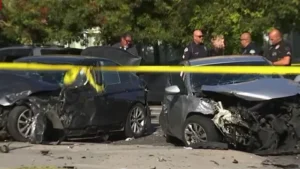
Most crash victims picture a collision with another driver’s personal vehicle. But what happens when the vehicle that hits you is owned by a city, county, or fire department? A recent crash in Oxnard is a reminder that government and emergency vehicles are not above the law though claims against them follow a very different process than a typical car accident case.
What Happened?
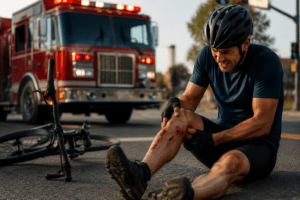
On July 17, 2026, a bike rider was seriously injured in a crash involving an Oxnard Fire Department truck, according to the Ventura County Star. The rider, who was on a pocket bike, was listed in stable condition following the crash. Further details about how the collision occurred have not been widely released.
Call our personal injury lawyers today
For a free legal consultation call (310) 424-7858
Why Are Crashes With Government Vehicles Different?
When the at fault vehicle belongs to a public entity a city fire truck, police cruiser, ambulance, or public transit bus the claim isn’t handled like an ordinary accident case. Several unique rules come into play.
The California Government Claims Act
Under the California Government Claims Act, anyone who wants to sue a public entity in California generally must first file a formal claim with that government agency, often within just six months of the incident. Miss that window, and you can lose the right to sue entirely, regardless of how strong your case is. This is a much shorter and stricter deadline than the two year statute of limitations that applies to most personal injury claims against private drivers.
Emergency Vehicle Exceptions
California law gives some legal protection to drivers of authorized emergency vehicles responding to a call. Under the California Vehicle Code, a fire truck or ambulance responding to an emergency, with lights and sirens activated, may be allowed to exceed speed limits or proceed through red lights and stop signs under certain conditions. That protection isn’t absolute, though emergency vehicle drivers are still required to drive with “due regard for the safety of all persons,” and can be held liable if they act recklessly or fail to take reasonable precautions.
Determining Whether the Truck Was “On a Call”
Whether the fire truck was actively responding to an emergency at the time of the crash can significantly affect liability. A truck responding to a fire with lights and sirens on is treated differently under the law than one driving on a routine, non emergency errand.
Why Do I Need a Personal Injury Attorney?
Claims against government agencies are procedurally unforgiving, and insurance style negotiating tactics look different when the “insurer” is a public entity’s risk management office. A personal injury attorney can help by:
Meeting Strict Filing Deadlines
Because government claim deadlines are so short, an attorney can help make sure your claim is filed correctly and on time a step that, if missed, can end a case before it starts.
Investigating the Emergency Response
An attorney can request dispatch records, GPS/AVL data, and dashcam or body worn camera footage to determine whether the vehicle was legally justified in bypassing normal traffic rules at the time of the crash.
Calculating Damages
An attorney can help identify and calculate both economic damages (medical bills, lost wages, bike or property damage) and non economic damages (pain and suffering, emotional distress).
Negotiating With a Public Entity
Public entities often have their own claims adjusters or risk management departments. An attorney experienced with government claims can push back against lowball offers and advocate for full compensation.
Click to contact us today
FAQ
Can I really sue a fire department or city after a crash?
Yes, but you must generally follow the California Government Claims Act process first, which requires filing an administrative claim with the public entity often within six months of the incident before you can file a lawsuit.
What if the fire truck was responding to an emergency?
Emergency vehicle drivers get some legal leeway, but they are still required to drive with reasonable care for the safety of others. Whether they met that standard is often the central question in these cases.
Is the deadline to file really that short?
Yes. The six month claim filing deadline for many government entities is much shorter than the two year statute of limitations for standard personal injury claims, so it’s important to act quickly.
What compensation can I recover?
Depending on the facts, you may be able to recover medical expenses, lost income, property damage, and compensation for pain and suffering.
Do I need a lawyer for a claim against a government agency?
It isn’t required, but government claims involve procedural rules that differ from standard injury cases, and missing a step can jeopardize your entire claim.
Complete a Free Case Evaluation form now
Injured in a Crash With a Government or Emergency Vehicle? We’re Here to Help
Claims against cities, counties, and public agencies come with strict deadlines and unique legal rules. Our personal injury attorneys work on a contingency basis, meaning you pay nothing unless we recover compensation for you. Contact Zade Law today for a free consultation.
Call or text (310) 424-7858 or complete a Free Case Evaluation form